DBE Tills Review (2026): Features, Pricing, Pros & Cons for UK Businesses
Quick answer
DBE Tills is a UK-based EPOS provider offering highly customisable point-of-sale systems for hospitality, retail, and food service businesses. While DBE Tills comes with higher upfront setup and hardware costs than entry-level EPOS systems, its flexibility, training support, and long-term scalability make it a solid choice for businesses looking for a tailored EPOS solution.
If you would like to read more information or learn more about the pricing of EPOS Systems, you can do so here.
Contents
Benefits of DBE Tills
Downsides of DBE Tills
What Does DBE Tills Offer?
What Other People Think of DBE Tills
How to Purchase DBE Tills
Our Verdict of DBE Tills
How do we work?
Transparent, impartial, and data‑driven reviews made by a team of expert humans, never AI generated – here’s exactly how Compare Your Business Costs helps you find the best deals from trusted UK providers: click here
Authored by: Ally Cox (Business Technology & B2B Services Specialist 10+ Years’ Experience)
Reviewed by: James Ward (Telecoms Specialist, 12+ Years Experience)
Last Updated: January 2026
Key Takeaways
- UK-based EPOS provider with decades of industry experience
- Strong focus on customisation and industry-specific workflows
- Suitable for hospitality, retail, and food service businesses
- Real-time reporting and cloud-enabled access
- Integrates with stock management and loyalty systems
- Higher upfront costs than entry-level EPOS solutions
- Best suited to established or growing businesses
What Other People Think of DBE
Summary of DBE: Real Reviews
Firstly, we think DBE would hugely benefit from creating a company Trustpilot page and encouraging their users to leave reviews of their experience with the company to boost their credibility. They have many years experience and getting some reviews from loyal customers will boost their reputation. However, from the reviews we could find, we think that they are generally positive, with their customers praising the system’s flexibility and customisation options. Businesses in hospitality and retail sectors particularly appreciate the integration with stock management and real-time reporting features.
DBE: What To Expect as a User
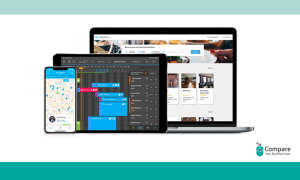
We couldn’t find a video guide for DBE, so here’s a visual of their app so you know what to expect:
What Do Staff Think of DBE?
DBE: The Design & How it Affects Users:
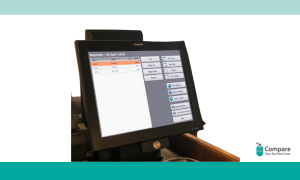
DBE Tills are designed to be highly flexible and adaptable, offering industry-specific features for retail and hospitality businesses. We really appreciate the customisation options as these are quite extensive, allowing businesses to tailor the system to their specific needs, though keep in mind that this can require technical support.
DBE: What Sets it Apart From Its Competitors?
What sets DBE Tills apart to us is their strong focus on customisation and integration with other business tools like stock management and loyalty programs. We like that the system is designed to cater to a wide range of industries, providing industry-specific features that help businesses streamline operations.
Improvements of DBE Over the Years
What recent improvements we have noticed and really appreciate from DBE Tills are:
- Enhanced cloud-based features for real-time reporting and remote access
- Expanded integration options with third-party payment and stock management systems
- Improved user interface for easier navigation
- Faster system updates and more reliable performance
- Strengthened customer support and onboarding services
Issues of DBE Over the Years
On the other hand, we think they could benefit from promoting their company on more review pages, addressing the high setup costs for new users hardware/installation and the customisation challenges some businesses have reported.
How to Purchase DBE
Our Verdict on DBE
Overall, we think that DBE can offer you a highly customisable and robust EPOS solution, which we think is particularly suited to businesses in retail and hospitality. We think their focus on integration with stock management, loyalty programs, and real-time reporting makes it an excellent choice if you have the budget to cover the inital hardware and installation costs. However, with this in mind we do think that their flexibility and industry-specific features make it a valuable long-term investment for growing businesses.
FAQs
1. What is DBE Tills used for?
DBE Tills is used by businesses to manage sales, stock, reporting, and customer interactions through a customisable EPOS system tailored to specific industries.
2. Which industries is DBE Tills best suited for?
DBE Tills is best suited for hospitality, retail, pubs, restaurants, hotels, members’ clubs, and food service businesses that require industry-specific features.
3. Is DBE Tills cloud-based?
DBE Tills offers cloud-enabled features, including real-time reporting and remote access, alongside robust on-site EPOS functionality.
4. How much does DBE Tills cost?
DBE Tills pricing varies depending on hardware, setup, customisation, and integrations. Costs are typically higher than entry-level EPOS systems but reflect its tailored approach.
5. What are the main downsides of DBE Tills?
The main drawbacks include higher upfront costs, a learning curve for advanced features, and the need for technical support during customisation.
6. How does DBE Tills compare to Square or Lightspeed?
DBE Tills offers greater customisation and industry-specific workflows, while Square and Lightspeed provide more standardised, plug-and-play EPOS solutions.
7. Is DBE Tills worth it in 2026?
DBE Tills is worth considering in 2026 for established businesses that need tailored EPOS functionality and long-term scalability, rather than a low-cost starter system.
Related EPOS Guides
If you’re researching EPOS systems, the guides below cover costs, business types, providers, hardware and future trends in more detail.
EPOS costs & pricing
Understand how EPOS pricing works in the UK, including rental, software fees and hidden charges:
EPOS by business type
Different industries need very different EPOS features. These guides focus on sector-specific requirements:
EPOS hardware & technology
Learn how EPOS hardware, devices and system architecture affect performance and cost:
EPOS providers & software (full reviews)
Detailed, provider-specific reviews are covered separately to keep comparisons unbiased:
Integrations, data & advanced use
For businesses needing deeper integrations and reporting:
EPOS comparisons & future trends
Understand how EPOS systems are evolving and how to compare options fairly:
Compare EPOS systems
Ready to narrow down your options?
Compare EPOS systems based on business type, budget, hardware needs and growth plans,all with no obligation.
👉 Compare EPOS systems now

Hi, I’m Ally Cox, a senior copywriter and blogger at CompareYourBusinessCosts.co.uk, the UK’s trusted platform for comparing business services.
With over a decade of experience in the B2B sector, I specialise in simplifying complex topics like leased lines, VoIP, business energy, HR and payroll solutions, accounting software, and EPOS systems.
Before joining CompareYourBusinessCosts, I worked across various industries, gaining hands-on experience in HR, copywriting, and business operations- from clocking-in systems to card machines and office technology.
My goal is simple: to help UK businesses make informed, confident decisions when choosing products and services that improve efficiency and save money.